When a Story Crosses Regional Lines
A development in one place can matter elsewhere for very different reasons. Following those connections takes more than adding another country name to the headline.
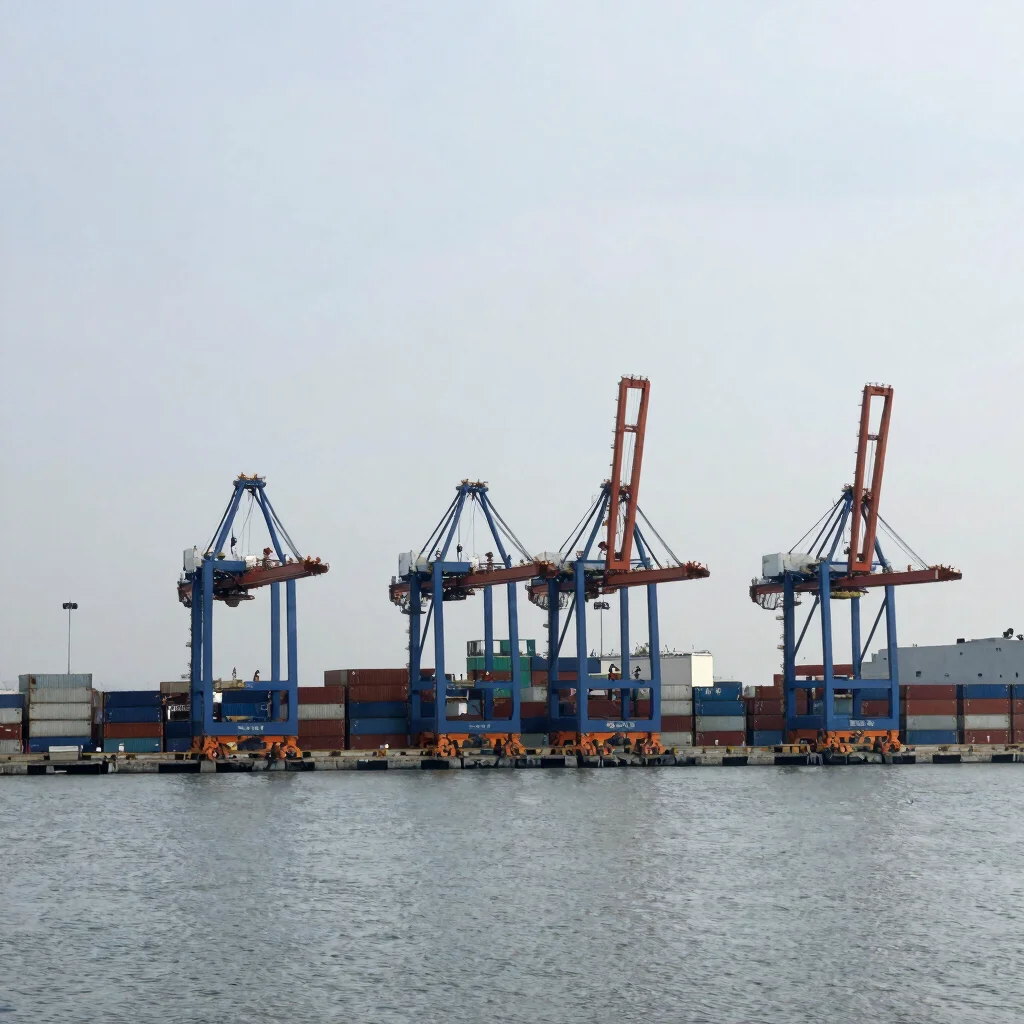
Imagine a disruption at a major port. The first headline may describe what happened there; readers elsewhere may want to know what it means for shipping routes, nearby communities, or businesses waiting on cargo. Those are connected questions, but they are not the same story.
Start With The Place
Geography gives a report its first essential context: where events are unfolding, who is directly affected, and which institutions have a role. A regional label can help readers find coverage, but it should not stand in for explanation. Countries and communities within a region are not interchangeable.
A useful account names the location precisely and makes clear what is known there. It also distinguishes direct observation from information attributed to officials, residents, or other sources. That discipline helps keep a regional story grounded in its actual setting.
Trace The Wider Connections
The next step is to follow the links without assuming they are automatic. In the port example, a report might examine a route, a neighboring economy, or a decision made far from the waterfront—but each connection needs its own evidence. A possible consequence is not yet a confirmed one.
This is where in-depth analysis can add value to a breaking headline. It can explain the mechanisms that might connect places, identify what remains uncertain, and show what new information would change the picture. The aim is not to make one event stand for an entire region.
Keep The Questions Distinct
Readers looking across regions and topics deserve both the immediate account and the longer view. A correspondent report can establish what the reporter has observed; analysis can examine the broader implications; clearly labeled opinion can argue what should happen next. Keeping those roles visible makes the connections easier to assess.